
Disclaimer: This blog is for general informational and inspirational purposes only, based on publicly available information and personal insights. Images—whether of models, screenshots, or products—are for illustrative purposes only and do not depict actual subjects, scenarios, or views described. We do not intend to offend or conflict with any societal, cultural, religious, or political values.
Running a furniture brand or selling online? You’ve probably asked yourself: Should I stick with fast AI tools, trust a professional editor, or mix both?
As we understand, AI image editing can be tempting for quick and affordable options. However, can it replace the trained eye of a skilled human editor? At Cut Out Image, we understand this dilemma firsthand, and we’re here to help you navigate it, as we know your needs and concerns.
Whether you’re working with ghost mannequin edits, furniture photo retouching, or just trying to get the right file formats ready for web and print, the right editing approach makes all the difference. Great photos don’t just look good — they sell.
Let’s explore the strengths of human editors, how AI is transforming the industry, and what might be the most innovative solution for your brand.
Why a Skilled Human Eye Still Wins
 This image is used solely for illustrative purposes. We do not intend to offend or conflict with any societal, cultural, religious, or political values. Image Source: Unsplash+
Suppose you have just captured a handcrafted wooden chair that looks great in real life, but the image misses warmness, the background is messy, and a tiny scratch on the armrest keeps catching your eye. You don’t want to lose the soul of the product — you want to enhance it. That’s where human editors come in.
Here’s what they bring to the table:
01. Creativity and Artistic Judgment:
Human editors don’t just follow rules — they make creative decisions. They correct exposure and refine tones to construct a natural and emotive vibe, particularly for lifestyle products like furniture or fashion. They know how to make a product stand out without overdoing it. For example, a human editor knows that adding a warm color to the image of a velvet armchair can make it feel cozier.
02. Sharp Attention to Detail:
What a machine might miss, a human eye will catch, and be perfect. From the tiny texture of linen fabric to the subtle shadow under a glass tabletop, human editors notice the things that elevate an image from good to great. They’ll remove distracting reflections, straighten lines, correct shadows, and even refine minor imperfections that machines often overlook or blur.
For example, in ghost mannequin photo editing, it’s not enough to remove the mannequin. A human editor makes sure the collar shape, sleeve angles, and drop of the fabric look realistic and flattering, as if worn by an invisible model.
03. Contextual and Brand Awareness:
AI doesn’t understand style or branding, but humans do. Editors can tailor an image based on your brand’s aesthetic, audience, and goals.
Selling minimalist Scandinavian furniture? They’ll keep it clean and neutral. Targeting a boho-style living room audience? They’ll warm up the tones and preserve a soft, cozy look.
You get a custom experience, not just a one-size-fits-all edit.
04. Advanced Problem-Solving:
Lighting too harsh in your raw photo? Background clutter you didn’t notice during the shoot? Wrinkles in fabric? Crooked horizon?
No problem — experienced editors have dealt with it all. Unlike AI, which relies on patterns, human editors assess every photo individually and make intelligent adjustments to fix challenges you didn’t even realize were there.
05. Emotional and Visual Storytelling:
Your product photos tell a story. And humans know how to craft that story visually — something AI cannot replicate.
A skilled human editor knows how to:
- Highlight the craftsmanship of a handmade product
- Create mood and emotion through color and contrast.
- Use light and shadow to evoke a specific feeling.
Whether you’re editing an elegant leather sofa or a quirky desk lamp, a human touch ensures the story behind the product isn’t lost.
Understanding AI in Image Editing
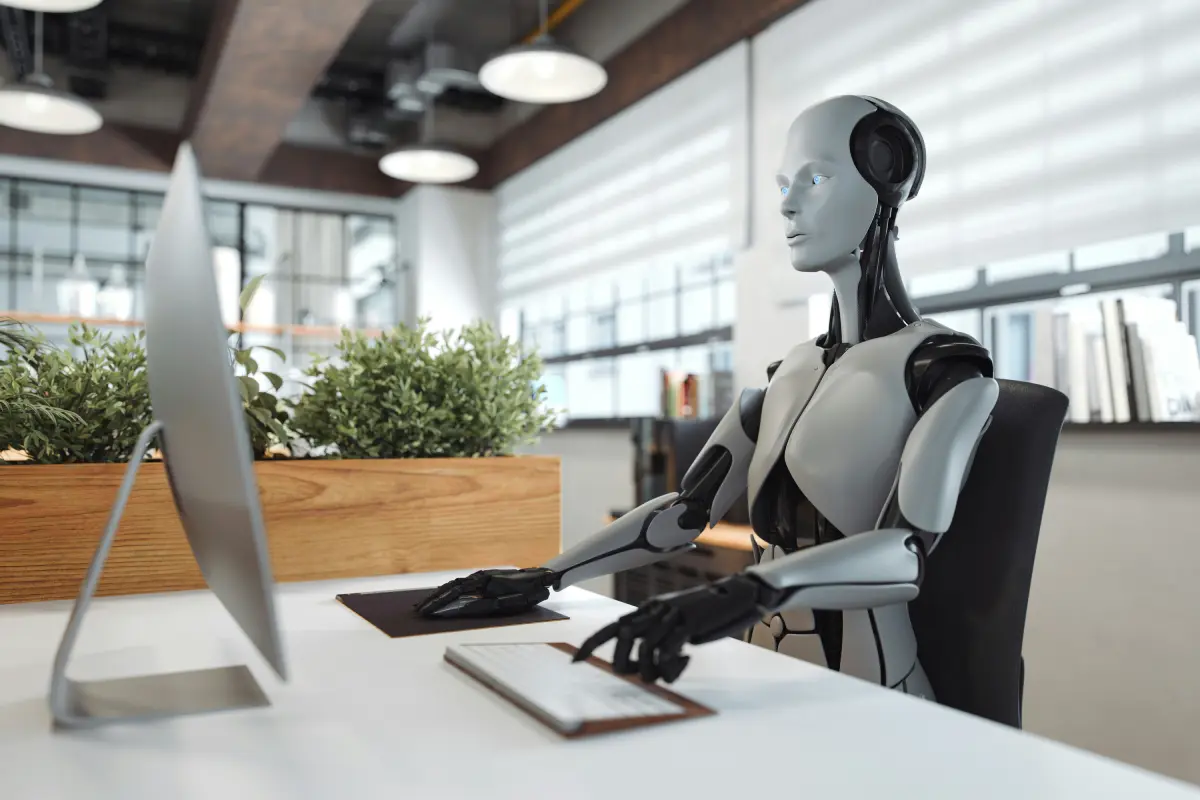 This image is used solely for illustrative purposes. We do not intend to offend or conflict with any societal, cultural, religious, or political values. Image Source: Unsplash+
AI image editing has come a long way—and fast. Today’s AI tools can remove backgrounds from images, correct colors, improve lighting, and even add shadows in just a few clicks. It’s fantastic, right? So what’s going on behind the scenes?
These tools use artificial intelligence that learns from large sets of images. Over time, they recognize visual patterns, like how skin tones change with different lighting or what makes a shadow look real. They make decisions almost like a human editor but much faster.
Some fundamental features of AI in image editing include:
- Speed: AI can process large batches of photos in minutes.
- Cost-efficiency: Automated edits reduce labor costs.
- Consistency: When trained well, AI produces uniform results, ideal for high-volume e-commerce image editing.
- Availability: AI tools don’t sleep or take weekends off.
For instance, if you’re managing a catalog of 10,000 furniture items, AI can be your lifesaver when you need basic background removal or uniform lighting adjustments.
Nevertheless, AI tools have limitations. They don’t understand a brand’s aesthetics like a human editor does. They edit based on the learned or trained algorithm data. As a result, you will see that the edited image might have cropped incorrectly, or there is an incorrect shadow.
So, even though AI tools offer excellent image editing efficiency, they often need human supervision for expert quality, especially for ghost mannequin photo editing or furniture color correction.
AI vs Human Image Editing: Which One Should You Choose?
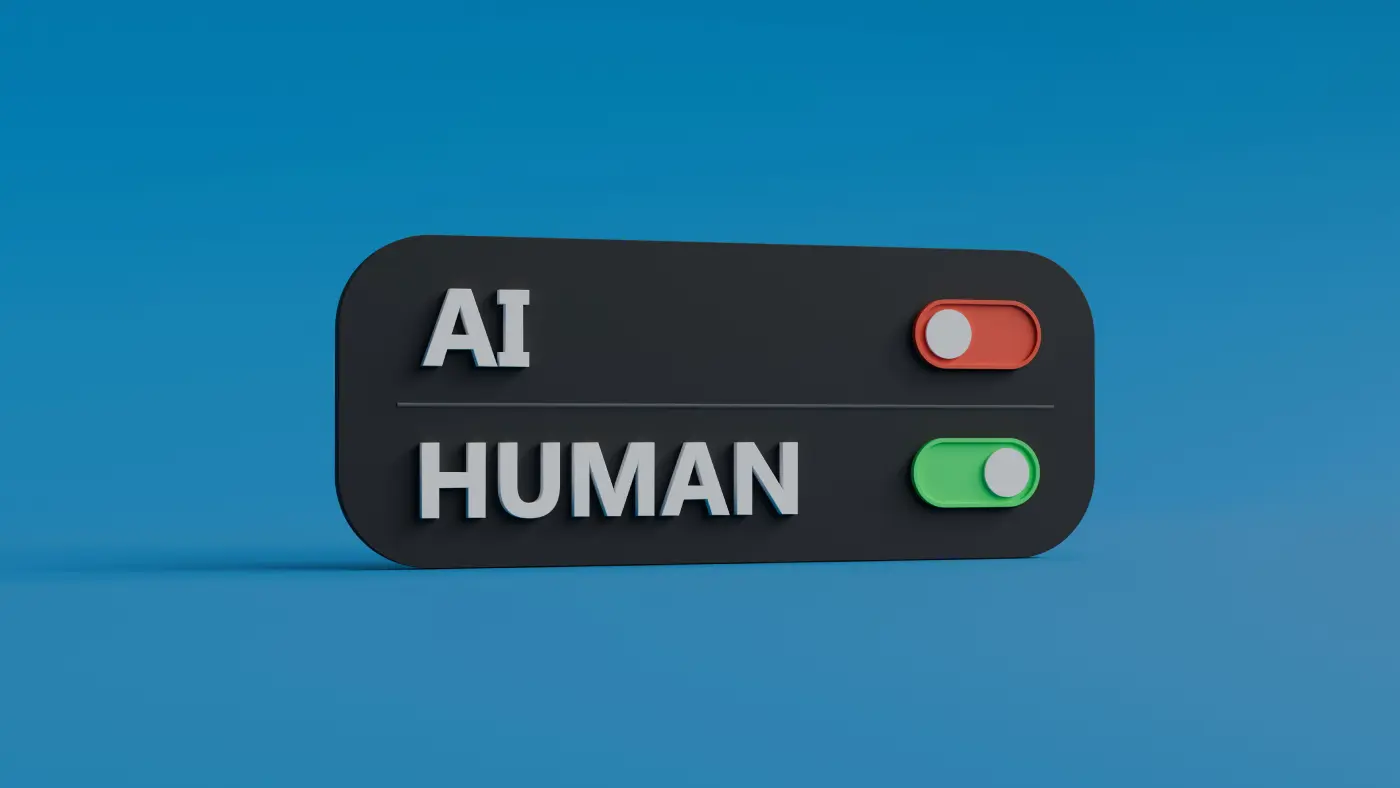 This image is used solely for illustrative purposes. We do not intend to offend or conflict with any societal, cultural, religious, or political values. Image Source: Unsplash+
Suppose you have completed a photo session for your online furniture business. While checking, you found hundreds of images waiting for editing. You now feel the pressure of editing and updating them on the website along with a schedule for the marketing campaign.
Now you need both speed and quality, and you may be wondering which one to choose: AI for a fast editing process or human editors for quality?
To choose between AI and human editors for quality, stunning images to upload online is challenging, but this section will help you decide by explaining some important facts.
- Turnaround Time: AI processes hundreds of images in minutes, but humans take time. So, AI wins the race if you look for quick results to process a large batch of product photos requiring background removal or fundamental improvement. However, quality matters, so human editors take the time to analyze and improve the image to fit your brand. A human editor is a must for high-end product photography or marketing campaigns.
- Craftsmanship: AI tools don’t have a brain to understand brand tone; instead, they perform based on trained patterns and algorithms. Consequently, it often does overediting or incorrect editing, making the image unnatural. On the contrary, human editors use brain and skill to analyze the image and improve accordingly, understanding your brand tone and image requirement. With their expertise, they find the image part which needs improvement or where the shadow needs to be placed to make the image look natural.
- Brand Consistency: AI works best based on preset algorithm data, but it can’t distinguish between elegance, aesthetics, and boldness if not trained on these. But skilled human editors understand these attributes and adapt them with their editing style to reflect a brand identity. They can reflect the brand essence excellently. For example, they can edit the image with a warm, homey vibe for a Scandinavian furniture line or a sleek, modern feel for tech-inspired interiors.
- Specialized Editing: Editing photos with specific and complicated needs requires a skilled human touch. Photos with wrong angles or color problems need a human expert to fix them. The ghost mannequin technique is a complex editing process where the editor must connect the neck, sleeves, and inner label to make the clothing look wearable. While you can use AI in this process, human involvement is still necessary to make corrections.
- Budget: Compared with human editors, AI tools are generally cheaper. You can get a monthly plan, pay-as-you-go options, and budget-friendly options. But remember— more affordable doesn’t always mean better. Though human editing costs more, you’re paying for years of expertise and a higher level of quality that can directly impact how your products are perceived.
- Trustworthy Results: AI can produce smooth images, but often misses objects or applies incorrect filters, resulting in an unreal photo. The problem becomes acute for misidentifying edges in complex images. In contrast, a human editor conducts quality control after finishing the image to ensure it is flawless. They review, adjust, and refine the image until it meets the desired standard.
The Smart Choice in Image Editing: AI Tools, Human Touch, or Both?
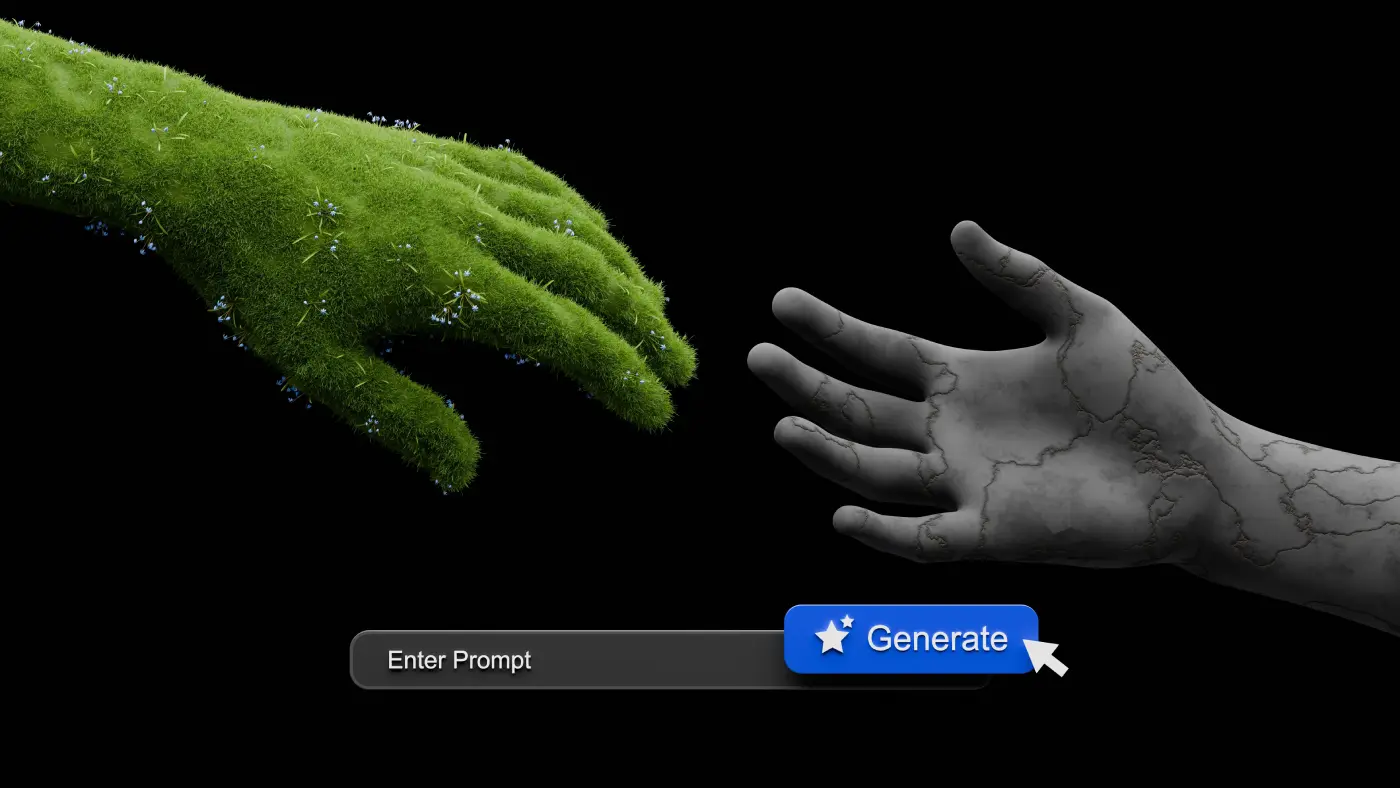 This image is used solely for illustrative purposes. We do not intend to offend or conflict with any societal, cultural, religious, or political values. Image Source: Unsplash+
So now that we’ve walked through the strengths of both AI and human image editing, here’s the real question:
Do you have to choose one, or can you get the best of both worlds?
At Cut Out Image, we believe you shouldn’t have to compromise. The smartest choice isn’t about picking sides — it’s about knowing when to use AI and when to rely on human expertise.
Here’s what really matters for your business.
Use AI When:
- You have large batches of product images that need quick, consistent edits like furniture background removal.
- You need basic enhancements like cropping, color balancing, or converting file formats for your website or online store.
- You’re in a rush and need to get a campaign or product launch live within hours.
In these scenarios, AI can save you time and money for tasks that don’t require high-level editing.
Use Human Editors When:
- Preparing images for online shops, social media, advertising, campaigns, or print catalogs, where every detail matters.
- Ghost Mannequin Photo Editing with realistic neck joins, sleeve repairs, or 3D effects.
- Connect the brand emotionally with the audience through compelling photos.
- Complex file formats that need specific export settings
Human editors don’t just “edit” — they interpret, enhance, and elevate your visuals with skill and care.
Then what will be the Smart Strategy? Blend both AI and human creativity. Use AI to handle bulk lifting, and human editors to bring the finishing touch.
Conclusion
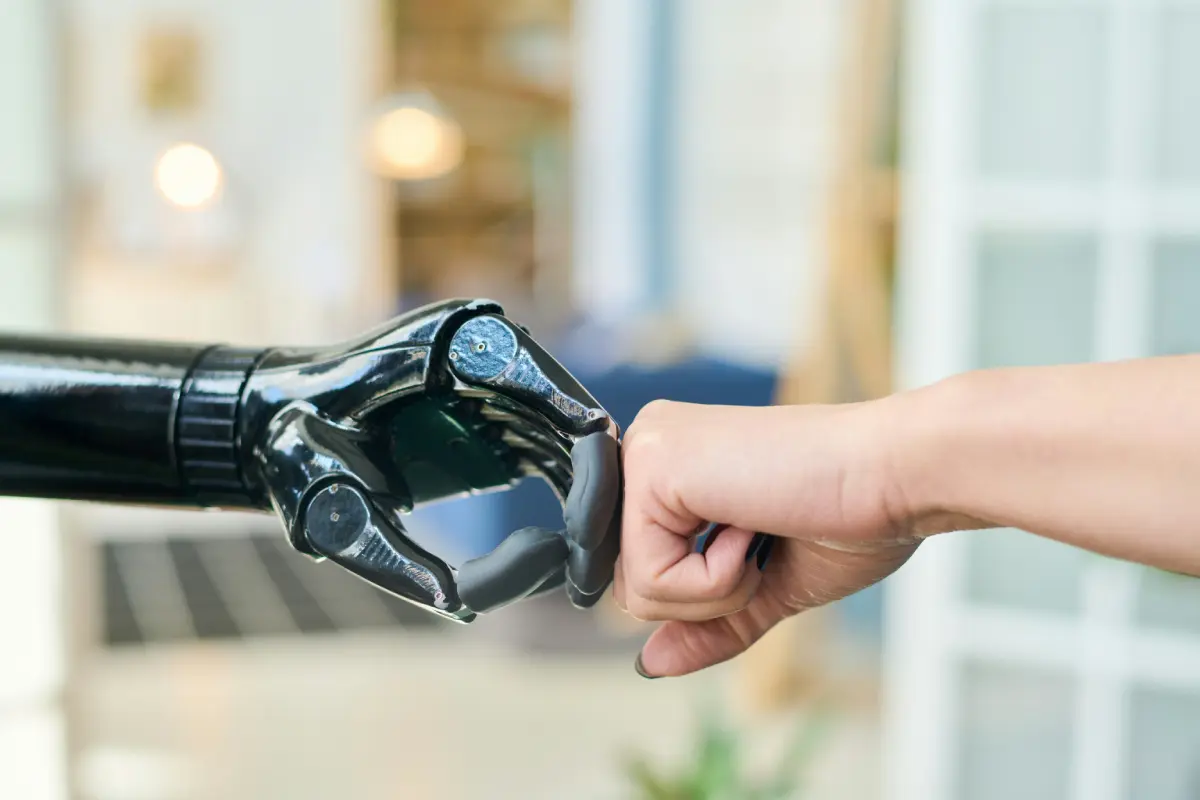 This image is used solely for illustrative purposes. We do not intend to offend or conflict with any societal, cultural, religious, or political values. Image Source: Unsplash+
In today’s fast-moving digital world, image editing isn’t just about making pictures look “nice” — it’s about creating visuals that sell, connect, and inspire. If you run an online furniture store, manage product photos for an e-commerce website, or work in a photography studio, your images create the first impression.
So, what is the best choice for editing images?
AI tools offer speed, scalability, and automation — perfect for bulk tasks and fast turnarounds. But when it comes to creativity, precision, and brand identity, nothing is better than a skilled human editor.
At Cut Out Image, our team ensures every detail reflects your brand’s quality and professionalism. So if you’re ready to elevate your images, impress your customers, and save time — without sacrificing quality — we’re here to help.
👉 Try us for FREE and see for yourself why countless brands choose Cut Out Image as their trusted editing partner.