
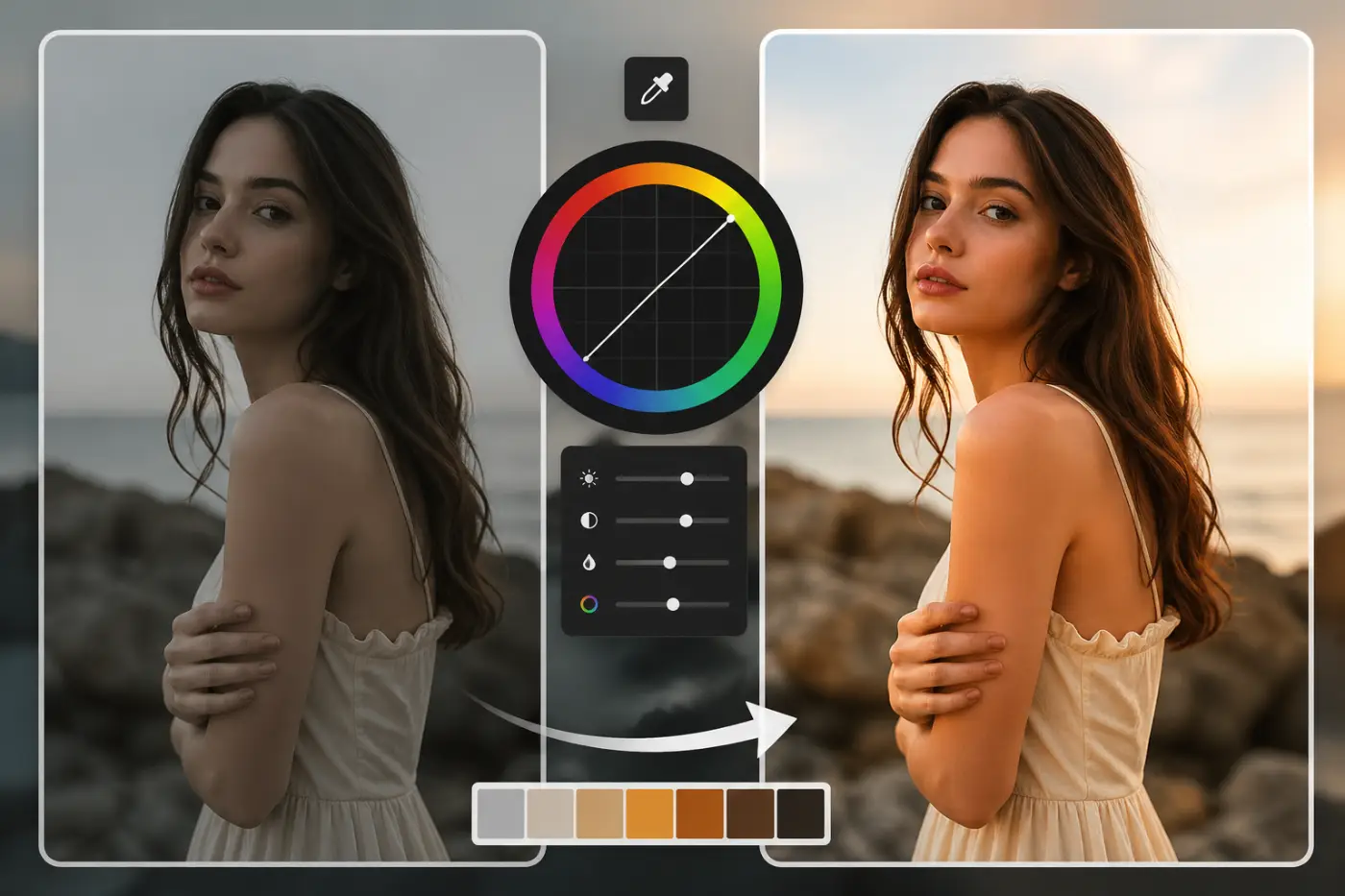
Imagine spending a full day photographing your furniture store’s products. Lighting is perfect, every angle works—yet the files disappoint: reds muddy, details lost in shadow, and the scene just feels wrong. Or as a florist, you upload bouquet shots only to find once-bright pinks and greens look flat and dull.
Many photographers and brands face this and question: Do I really need to pay for color correction, or can I fix it myself? The confusion is real—some swear it’s only for perfectionists, others think free apps are enough. Myths about cost, time, and need can leave you unsure what to do.
At Cut Out Image, we’ve walked alongside countless creators who faced this exact crossroads. We help ensure your photos powerfully tell the story you intend. Professional color correction isn’t just about fixing “bad” photos. It’s about revealing the true story your images were meant to tell. In the next sections ahead in this blog, we’ll show what color correction covers, why it matters, and who gains most, helping you decide if it’s essential for your business. If you’re ready to make your images stand out, keep reading.
What is Photo Color Correction?
Photo color correction is the adjustment and balancing of image colors to match reality or a visual standard. In practice, it’s more complex than simply fixing colors.
Many people assume the camera captures the truth automatically. In reality, every image is influenced by lighting temperature, shadows, camera settings, and even background reflections. A white shirt can look slightly blue under fluorescent light. A wooden table can appear warmer indoors than it actually is. This is where image post-production becomes essential.
Professionally, color correction ensures that every pixel communicates the right message. It aligns product visuals with brand identity and customer expectation—especially in industries like e-commerce, furniture, florals, and lifestyle photography.
At Cut Out Image, color correction follows a controlled workflow. Editors analyze:
- White balance to remove color casts.
- Exposure to recover details in highlights and shadows.
- Contrast to define depth without distortion.
- Saturation to avoid an overprocessed appearance.
- Skin tone accuracy, especially in portrait and fashion photography
Tuning an image is like tuning an instrument. If you don’t correct it, the image stays off-key. In digital commerce, even small imbalances can change how people see your product. Follow these steps for Bulk Image Editing Services in eCommerce. Manually correcting hundreds of images is impractical without a structured system.
Color correction is the invisible layer that makes visuals believable. Authentic images drive trust faster than any tagline can.
Color Psychology in Marketing: How Colors Influence Buying Decisions
Colors influence perception, emotion, and buying choices. This principle is central to color psychology in marketing, which studies how consumers respond to product imagery in online retail.
This analysis examines how different colors affect buying decisions and shows how these insights can be applied in real product situations.
- Red energizes viewers and sparks urgency. That’s why marketers highlight it on sale signs, discount labels, and “Buy Now” buttons. In product photos, red enhances fashion or promotional items, instantly attracting attention.
- Blue creates trust, so banks, tech, and furniture brands use it. Cool blue tones help spaces feel calm and dependable, which helps when people make big purchases.
- Green is connected to nature, freshness, and health, so florists and eco-friendly brands often choose it. For example, a bouquet with the right mix of greens and soft highlights looks fresher and more natural after color adjustments.
- Orange is energetic but gentler than red. It encourages quick decisions and highlights offers or a friendly feel in marketing visuals.
- Black and white evoke timeless elegance. Luxury fashion and furniture brands often use a careful black-and-white mix to create a high-quality, simple look. Small changes in contrast after editing images can significantly alter how valuable a product appears.
- Yellow is often linked to happiness and hope, but it can quickly become too much to look at. So, it works best as a small highlight in product pictures rather than as the main color.
After looking at color associations, it’s important to understand how these ideas apply in real life. In everyday e-commerce situations:
- A sofa image with warmer tones feels more inviting, helping customers imagine it in their homes.
- Floral imagery with balanced greens and gentle pinks exudes revitalizing energy and immediately captivates the viewer’s gaze.
- A harmonious tone throughout lifestyle shots cultivates a unified mood, reinforcing and elevating brand identity.
- Using warm reds and oranges in food photography stimulates the appetite, while cool tones in produce highlight freshness.
- Black, white, and navy with precise correction create a refined look. This minimal style highlights texture, form, and craft.
Ultimately, color psychology and technical editing meet here. Within e-commerce, editors deliberately align color choices with specific intentions, knowing that even minor tonal adjustments can determine whether a scene appears dramatic, calm, or commercial.
With careful use of color, product images become strong emotional triggers. They influence customer attention, trust, and buying confidence.
Color correction blends science with perception, ensuring not only accuracy but also that visuals are visually appealing and trustworthy.
Why Photo Color Correction is Important
People often notice color differences right away, even if they can’t explain them. Color correction adjusts camera colors to match viewers’ expectations, keeping everything accurate and consistent. This builds trust and keeps viewers interested, so color correction matters more than most people think.
- Builds Brand Consistency: Inconsistent product shot tones make customers feel something is off. Professional color correction ensures every image has a consistent visual voice, strengthening brand identity across your website and marketing.
- Improves Perceived Value: Correcting colors in product photos makes them look better, helping customers see your products more clearly and possibly allowing you to charge more.
- Boosts E-commerce Conversion Rates: Online retailers rely on sales. Inaccurate or washed-out product colors can discourage purchases. Showing accurate colors helps reduce returns, especially for businesses with hundreds of SKUs.
- Reveals True Details: Proper correction restores fine details—like textures and patterns—in every shot.
- Emotional Impact of Color: Colors affect emotions. Warm colors feel welcoming. Cool colors are tranquil. In lifestyle and landscape photography, careful color choices draw viewers in and deepen the experience.
- Supports Print and Digital Consistency: Corrected images match in print and online, maintaining your brand’s look.
Many people overlook color correction until they see a side-by-side comparison. The difference between the “before and after” clearly demonstrates its value.
Who Needs Photo Color Correction Services?
Photo color correction may seem exclusive to high-end studios, but today it’s essential in the modern visual business. You might wonder, “Is this really for me?” The answer: if your images are meant to sell, persuade, or inspire, professional color correction helps make a genuine impact. It isn’t exclusive to studios or perfectionists.
Let’s break down exactly who gains the most, and why:
- E-commerce Business Owners: Online sellers rely on visuals. Customers trust color accuracy. If a “beige” sofa looks grey or warm, doubt arises. E-commerce image editing ensures consistent visuals across listings and marketplaces.
- Furniture and Home Décor Brands: Wood, fabric, and metal reflect light differently; a wooden table can look too dark or too warm. Correction balances these variations for accurate, reliable visuals.
- Florists: Flowers are emotional purchases—color matters. A slight shift can make roses look dull or artificial. Correction keeps petals vibrant and real, helping attract customers.
- Lifestyle and Portrait Photographers: Photographers can’t control every variable— sunsets, lighting mixes, or reflections all change tone. Color correction creates gallery consistency, unifying the story.
- Studio Managers and Commercial Shooters: Visual inconsistencies occur when multiple photographers shoot or when the shoot days are not the same. The result comes in different batches, some cool, some warm. Implementing a structured workflow solves the issue, ensuring consistency without any delay.
- Fashion and Beauty Brands: Fashion and cosmetics are sensitive items to shoot under different lighting conditions. A white shirt can look navy in one photo and pale blue in another. Skin and makeup should appear natural and true to life. By touching up skin and fixing colors, photos feel more real and relatable.
- Online Marketplace Sellers and Amazon Vendors: Strict marketplace image rules and competition mean your photos must stand out and stay accurate. Professional e-commerce image editing services give you that polished edge without violating platform rules.
- Magazine Editors and Content Creators: Editorial images are vital for impactful storytelling, especially in lifestyle magazines and blogs. Using clear, consistent photos is essential, as color adjustments help your pages look tidy and maintain a uniform style across formats.
- Real Estate Photographers: For real estate photographers, large rooms, varied lighting, and reflections can alter color. Wide-angle lenses make these changes more obvious. Color correction helps keep photos looking natural and inviting.
- Lifestyle Influencers and Content Creators: Lifestyle influencers and content creators depend on a steady, easy-to-recognize style for their personal brand. Without color correction, social media pages can look messy and less focused.
Solo photographers and small businesses also need steady images as they grow. High-quality photos influence how audiences see them and what actions they take.
Common Types of Color Correction Services
Color correction is a series of structured adjustments that work together like a visual quality control system. Many assume it only means “fixing brightness or making colors pop.” In professional workflows, though, it is far more structured and intentional.
Color issues differ, and so do their solutions. Therefore, professional color correction is available in specialized forms. Understanding these types allows for accurate identification of what your images require.
Below are the most common types, illustrating how these processes operate in professional production environments:
- White Balance Correction: This is the foundation of all color work. It removes unwanted color casts caused by lighting and ensures whites appear neutral, and items are true to life in product photography.
- Exposure and Brightness Adjustment: Exposure and Brightness Adjustment balance highlights and shadows to prevent details from being lost. This is key when texture matters or when balancing a sunset sky with visible foreground details.
- Saturation and Vibrance Control: Over-saturated images look fake; under-saturated ones feel dull. Saturation and Vibrance Control restore natural color richness. Professional editors match brand styles to ensure colors look lively but not artificial.
- Color Cast Removal: Reflections from surrounding objects or lighting setups (common in studio or real estate shoots) can cause strange tints that make elements like skin tones, fabrics, or furniture appear unnatural. Expert removal restores harmony to the image.
- Hue and Tone Adjustment: Hue and tone adjustment let you change certain colors for better accuracy without changing the whole image. For example, making a red dress appear more accurate or adjusting the warmth of wooden furniture, which is vital in e-commerce image editing.
- Batch Color Matching: Ensures hundreds of images share the same color profile and mood, which is vital for online stores where uniformity builds trust and professionalism.
- Skin Tone Correction: It delicately adjusts tones to look natural across different lighting conditions, which is vital for realism and consistency in lifestyle and portrait photography.
- Contrast and Dynamic Range Enhancement: By boosting contrast and dynamic range, photos look more lifelike—showing off details and textures so products feel real. Good images help people trust what they see. Making sure photos look the same on all screens helps your brand feel reliable and consistent.
- Cross-Device Color Normalization: Building on contrast and realism, it ensures images look the same across phones, laptops, and tablets. This is very important for today’s shoppers who mostly use mobile devices.
- Selective Color Correction: This lets you adjust one color in a photo—like making a red shirt consistent across images—without changing other colors.
- Background Color Balancing: Background Color Balancing keeps backgrounds—especially neutrals—consistent, which is critical for building trust in marketplace listings.
Each type serves a purpose, but together they create a unified visual environment—even when images are taken on different days, by different photographers, or under varied lighting. At Cut Out Image, we bring these steps together in a clear post-production process, so quality always comes from reliable standards, not luck.
When Should You Use Color Correction?
Many teams assume color correction can wait. Top brands, however, do it immediately after choosing images, before publishing. Knowing when to do it and making it a priority ensures visuals are consistent and effective, and treating color correction as an important choice.
Here’s where color correction becomes a strategic necessity:
- After a Big Product Shoot: After photographing many items, images taken at different times or under various lighting conditions can look inconsistent. Color correction unifies variations to make the set look intentional—vital for bulk image edits in e-commerce.
- Before Uploading to an Online Store: Buying choices depend on visuals. Inaccurate colors can disappoint customers. Color correction ensures products match what customers see online.
- Before a Launch or Sale: You want all your images to match so everything looks put together. Color correction helps make sure your visuals always feel on-brand.
- When Scaling Catalogues: As your catalogue grows with more products and photographers, ensuring color consistency in your e-commerce images is crucial. Our solution provides an effective system to address these inconsistencies as you expand.
- After Difficult Lighting: Unusual light confuses cameras. Color correction restores true color and mood, especially for landscapes.
- Correcting Skin Tones: Portrait or beauty photography requires natural skin tones. Skin retouching and color correction achieve realistic results.
- Updating Old Photos: Older images may look dull. Color correction improves them quickly—no re-shoot needed.
- Updating or Rebranding Visual Identity: If a brand changes its style, both old and new images need to be aligned through controlled post-production.
- Seasonal Promotions or Product Drops: Busy periods need visual precision. Consistent color builds trust.
- Before Publishing to Magazines, Catalogs, or Social Media: Different channels present colors differently. Specialists adjust images to ensure a consistent, attractive appearance across the board.
- When Optimizing Product Pages for Conversion: Strong pages need visual consistency. Color accuracy boosts buying confidence, especially for high-consideration products.
At Cut Out Image, color correction comes early in the workflow. This foundation makes all other edits—retouching, cropping, background work—more effective and efficient.
Benefits of Outsourcing Color Correction
Doing color correction yourself is fine when you have only a few photos. But as your workload grows, outsourcing to professionals becomes much more sensible. At this point, outsourcing color correction shifts from being an option to providing a true operational advantage.
Let’s look at what changes and the benefits you get when you switch to this approach.
- Quality and Efficiency: Expert teams can quickly edit a lot of photos. This saves your business time and lets you focus on the most important things while ensuring your images look professional.
- Saves You a Lot of Time: Editing colors takes time and focus. Professionals work efficiently, allowing you to focus on growing your business instead of editing.
- Cost Efficiency: Outsourcing eliminates internal team costs, converting fixed expenses into flexible spending.
- Creates Perfect Consistency: Professional bulk image editing delivers a consistent, polished look that enhances your brand image and assures customers your products can be trusted.
- Delivers Higher-Quality Results: Achieve better results with specialists using advanced image editing techniques like color correction and background removal. Their expertise helps your products stand out and attract more customers to increase sales.
- Lowers Your Overall Costs: Accurate color selection reduces customer returns and complaints. Good correction from the beginning saves money in the long term.
- Handles Large Amounts Easily: Whether you need 100 or 5,000 images edited, our team delivers on time. This reliability is especially helpful during your busiest periods.
- Complete Image Post-Production: You can combine color correction with other editing services like clipping paths (isolating objects from backgrounds) or retouching (removing blemishes and enhancing details) into a single seamless process. Everything comes back ready to use.
- Expert Knowledge: Our editors have experience working with well-known brands and know how colors appear on different screens and products.
- Frees Your Team for Creative Work: Our seamless editing process eliminates the burden of repetitive tasks, empowering your team to dedicate their talents to photography and other creative projects. This delivers a strong competitive edge to studio managers.
- Scalable Growth: As your online store expands, you don’t need to hire extra editors. You can simply send more images whenever you need.
- Peace of Mind: Rest assured that your images will look great, be accurate, and be ready for your website. This helps you upload and sell more easily.
- Better Matching with E-commerce Rules: Using external image services that provide clear and accurate photos can help your business meet e-commerce requirements, reduce internal errors, and stay ahead of competitors.
- Scalability During Peak Seasons: Outsourcing lets you quickly scale operations for product launches, holiday campaigns, or flash sales, preventing delays and maximizing opportunities. Vendors ensure compliance with labor laws and industry standards, providing reassurance.
- Seamless Image Post-Production: Outsourcing speeds up and ensures reliable image editing. Specialists handle color correction, retouching, masking, and background changes while following strict legal and privacy standards. This approach delivers fast turnaround and consistently high-quality results.
In short, outsourcing helps you get better results and frees up your time for other things. This makes your workflow more efficient from beginning to end.
Why Choose Cut Out Image for Color Correction Services?
Choosing the right color correction partner matters. Many companies edit images, but Cut Out Image is different because we are steady, trustworthy, and adaptable. We follow your brand’s way of working so your special look stays the same, not just to finish a job. At Cut Out Image, we focus on doing color correction the right way. We work closely with your brand to give you results that make us stand out.
Here’s how we work:
- We Deliver Natural and Accurate Colors: We are great at showing bright, real colors without any fake changes. From shiny wood patterns and delicate flower petals to real skin tones, we carefully adjust each color to make sure it truly matches what you see in real life.
- Fast Turnaround for Bulk Orders: We are experienced in bulk image editing services for eCommerce businesses. You can send hundreds or thousands of images and get them back quickly, often within 24-48 hours, so you never miss your deadlines.
- Experienced Team: Our editors’ deep experience with a range of industries—e-commerce, furniture brands, florists, photographers, and lifestyle publications—lets us anticipate and fulfill unique, industry-specific color requirements other providers may overlook.
- High Attention to Detail: We do not merely adjust colors; we refine them. Each image is carefully examined to ensure the final result is polished and consistent with your brand identity.
- Easy Process: Our process is simple. Upload your photos and tell us your preferences for colors, style, or special edits. We keep your pictures safe and return them just how you want. Our team will respond quickly if you have any questions. This easy process saves you time so you can focus on your creative projects.
- Affordable Pricing: Our prices are affordable, and there are no hidden charges. Many clients have told us they save money by working with us instead of hiring a full-time editor. They also like that our work is careful and of top quality. We want you to feel good about choosing us and know you’re getting great value.
- Service Combination: We proactively bundle services to meet client needs. For example, with color correction, we also provide background removal, retouching, or resizing within the same request. This integrated system delivers seamless, professional results on every project and maintains consistency.
- Improve Your Product Pages: We make your product photos look more professional, helping your images match the rules for great listings. This makes your online store look clean and trustworthy, so customers feel good about buying from you.
- Reliable Quality Every Time: Clients keep coming back to Cut Out Image because they trust our steady quality and careful attention to detail. Our dedication has earned us a strong reputation and makes us stand out from others.
- Dedicated Support: Our team is friendly and responsive. If you have any special instructions or questions about color, we are always ready to help.
- E-commerce-ready Precision Standards: Every adjustment is aligned with marketplace expectations. Product whites remain neutral, textures stay intact, and colors reflect real-world accuracy—supporting scalable e-commerce image editing services.
- Support for Multi-industry Requirements: From wide-angle landscape photography for real estate to close-up product shots for e-commerce, workflows adapt based on context rather than forcing a one-size-fits-all approach.
- Human-led Quality Control Systems: Final checks ensure images align with their intended appearance, even while following established procedures.
We believe professional color correction should be simple, reliable, and truly helpful for your business.
Struggling Sales? Use This 15-Point Product Page Checklist
When to Outsource vs. In-House
Many people get confused about whether they should edit colors themselves or send the work to professionals. The answer depends on your business size, the amount of time you have, and the number of images you handle. Both approaches have value, but they serve different stages of business evolution.
Here’s a clear guide to help you decide:
Outsource When –
- Large Volumes of Images: For e-commerce businesses or professionals producing many images, outsourcing is often more efficient. Professional editors process bulk photos quickly and ensure consistent color quality.
- Time is Limited: If you are busy running your store, taking new photos, or managing orders, it’s smarter to outsource. Editing colors can take many hours that could be used for more important tasks.
- Better Quality and Consistency: Professional teams notice small color problems that most people miss. They make sure every image looks perfect and matches your brand style — something that’s hard to achieve when doing it quickly yourself.
- Resource Bottlenecks: Designers repeatedly address the same problems, reducing time for creative work and causing delays in starting new projects or campaigns. This results in decreased creative output, project delays, and designer frustration. Outsourcing can help with these issues.
- Operational Flexibility: External teams help handle busy periods, such as seasonal demand, product launches, or sales events, so you do not have to wait to hire more staff.
- During Busy Seasons: Before big sales, holidays, or new product launches, send your images out. This helps you avoid stress and meet deadlines easily.
- You Need Multiple Editing Services: If you also want background removal, retouching, or resizing, it’s much easier and more consistent to give everything to one professional team.
- Our Business Grows: As your online store grows and you add more products each week, outsourcing can save you time and make your business look more professional.
Do It In-House When-
- Few Images: For small shoots of 5–20 photos, you can correct colors yourself using Lightroom or Photoshop if you have time and basic skills.
- Editorial Support: If your team has color-correction expertise, consider handling this task in-house.
- Very Simple Projects: If the lighting is perfect and you only need small brightness changes, doing it in-house is fine and saves money.
- For Learning: If you are a photographer looking to improve your skills, correcting a few images yourself is a useful practice.
Hybrid model: The most practical approach for many brands
Many growing companies maintain creative direction in-house while outsourcing repetitive or high-volume correction work. This approach allows them to retain control and support growth. At Cut Out Image, clients often choose this model, keeping creative decisions internal and outsourcing complex image editing. This strategy enables them to remain efficient and accurate as their workload increases.
Quick tip: If you spend 4 to 5 hours or more each week on color correction, think about outsourcing this work so you can focus on your main business tasks.
FAQs About Who Needs Photo Color Correction Services?
This article examines who needs photo color correction services and how visuals impact business decisions, trust, and consistency. Color accuracy underpins branding, perception, and results.
Here are the most common questions we receive about who actually needs photo color correction services and why it matters:
01. Does color correction actually help my product pages?
Yes. It makes your products look real and attractive. Better colors build trust, increase time on page, and boost conversion chances.
02. How much does it cost?
It’s quite affordable, especially for bulk orders. The more images you process, the lower the cost per image—often far less than the revenue lost from poor-quality visuals.
03. Can I just do it myself?
For a few images, yes. But handling 50 or more photos makes maintaining consistency difficult. Professional e-commerce image editing services deliver faster, polished results.
04. How long does color correction take?
Small batches are often completed the same day. Larger projects using Bulk Image Editing Services for eCommerce Businesses usually take 24 to 48 hours, depending on volume.
05. Will color correction change the original look of my product?
No. It simply balances and corrects colors to match real-life appearance—nothing artificial or misleading.
06. Do I need color correction for lifestyle or wide-angle landscape photography?
Yes. Natural lighting can change unexpectedly. Color correction helps bring back the mood and color balance that was planned for the original shoot.
07. What is the difference between color correction and color grading?
Color correction focuses on accuracy and realism. Color grading is more about creative styling. For most e-commerce use cases, correction comes first.
08. Does it really help reduce returns?
Absolutely. When product colors match what customers receive, satisfaction increases, and return rates decrease.
09. Can color correction help with skin tones, too?
Yes. It ensures a natural, healthy appearance, underscoring its critical role in portrait and beauty photography.
10. Where does color correction fit in a full workflow?
It takes place early in the post-production workflow—immediately after image selection and before retouching—providing the basis for consistent, high-quality visuals.
Is Nano Banana the Future of Photoshop? Full AI Editing Reality Check
Conclusion
In a world of limited attention and visual competition, clarity is an advantage. Photo color correction may seem minor, but it deeply shapes how customers perceive products, brands, and trust.
Whether you run an e-commerce store, shoot lifestyle photography, manage a furniture brand, or capture landscape photos, the goal is the same: create visuals that are consistent, accurate, and reliable across every touchpoint. Accurate colors shape how customers feel and buy. As your business grows, bulk image editing and professional post-production save time and improve results, letting creators focus on creating and selling.
Companies like Cut Out Image work quietly at the center of this workflow, ensuring images do more than look better—they communicate better. In digital commerce, that difference often determines whether a visitor scrolls past or stays. If colors look off, try professional editing and see the change.
Because in the end, strong visuals do more than show products—they build confidence, frame by frame.

![How To Create a Gradient in Photoshop [ Expert Opinion ]](https://www.cutoutimage.com/wp-content/uploads/2022/10/How-To-Create-a-Gradient-in-Photoshop.webp)
![How To Wrap an Image in Photoshop [Complete Solution]](https://www.cutoutimage.com/wp-content/uploads/2022/10/How-To-Wrap-an-Image-in-Photoshop.webp)