Disclaimer: This blog is for general informational and inspirational purposes only, based on publicly available information and personal insights. Images—whether of models, screenshots, or products—are for illustrative purposes only and do not depict actual subjects, scenarios, or views described. We do not intend to offend or conflict with any societal, cultural, religious, or political values.
Imagine yourself on a safari adventure of a vast landscape with exotic wildlife surrounding you. As you observe the surroundings, you find a lion resting under a tree and want to capture this lovely view. If you click using a regular lens, the view will not appear with details. Then how can you click closely with accurate views?
Here, the term telephoto lens photography arises, which allows for capturing beauty from a distance, making it nearby. Using a telephoto lens, you can transform the scene to capture a compelling image showcasing the details and texture of its fur and sparkly eyes without disturbing the lion.
For photographers, Telephoto Lens Photography is a window to wonder about the intricate beauty of the world.
In this blog, we will look at Telephoto Lens Photography. We will explain how it uniquely presents images. Let’s get into the details!
What Is Telephoto Lens Photography?
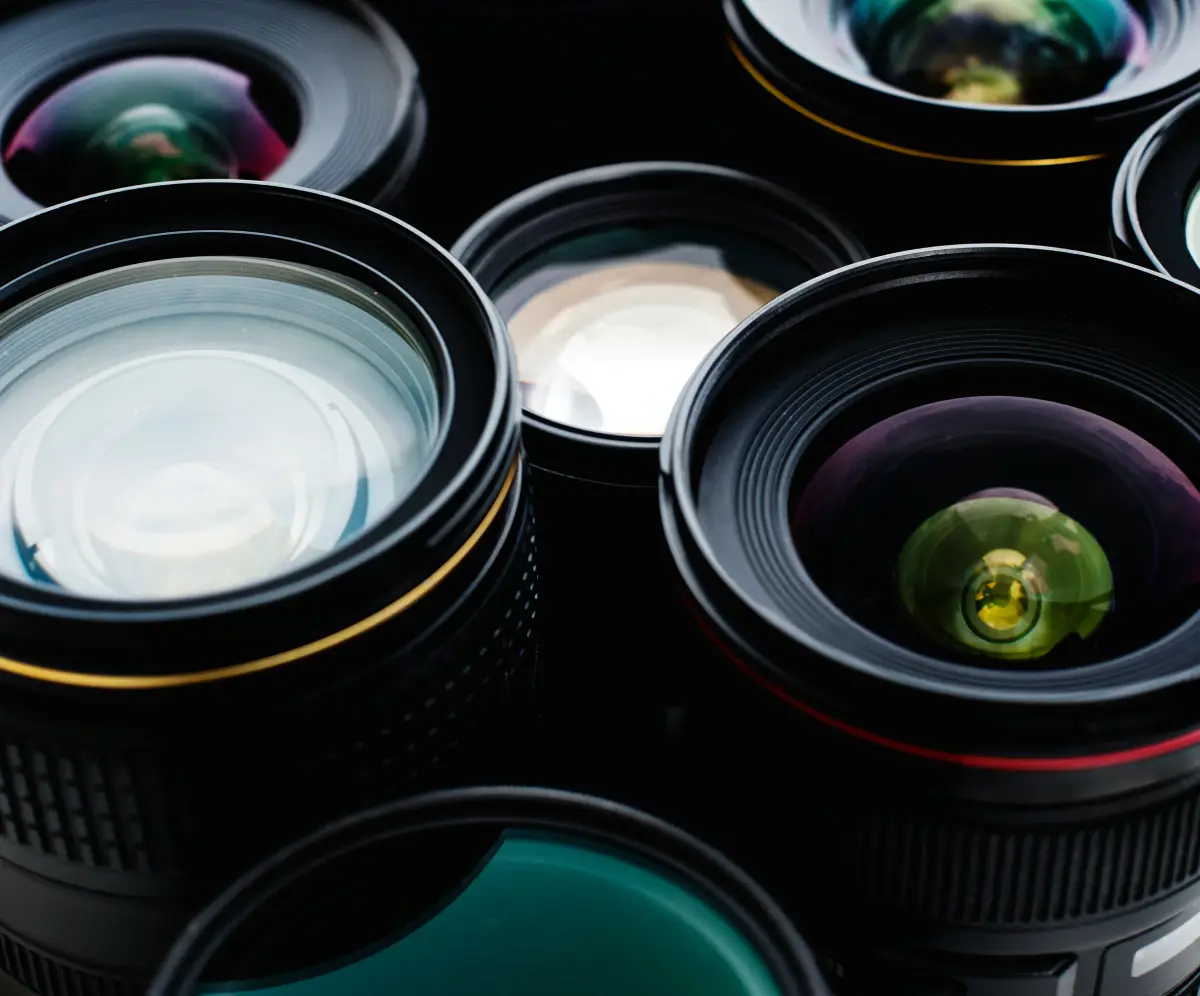 This image is used solely for illustrative purposes. We do not intend to offend or conflict with any societal, cultural, religious, or political values. Image Source: Unsplash+
Telephoto lens photography is a type of photography where the photographer captures the details of an object from a distance. Here, the camera comes with a lens of 70mm that can be expanded to 300mm. Three primary attributes of Telephoto lens photography are:
- Long Focal Lengths feature wide focal lengths that help capture distant subjects in detail.
- Magnifying Distance brings the subject closer without physical closeness.
- Compressing Effect shortens the depth of the background, highlighting the subject.
The advantage of a telephoto lens is that it keeps the subject in sharp focus while blurring the background. This bokeh effect emphasizes the subject and keeps the background distraction-free. To bring the subject closer, photographers use this lens to photograph sports, wildlife, candids, and landscapes.
A study by LensVid found that 40% of professional photographers use telephoto lenses for their work. They mainly use lenses with focal lengths of 70-200mm and 100-400mm for wildlife photography.
What Differs Optical Zoom and Telephoto Lens?
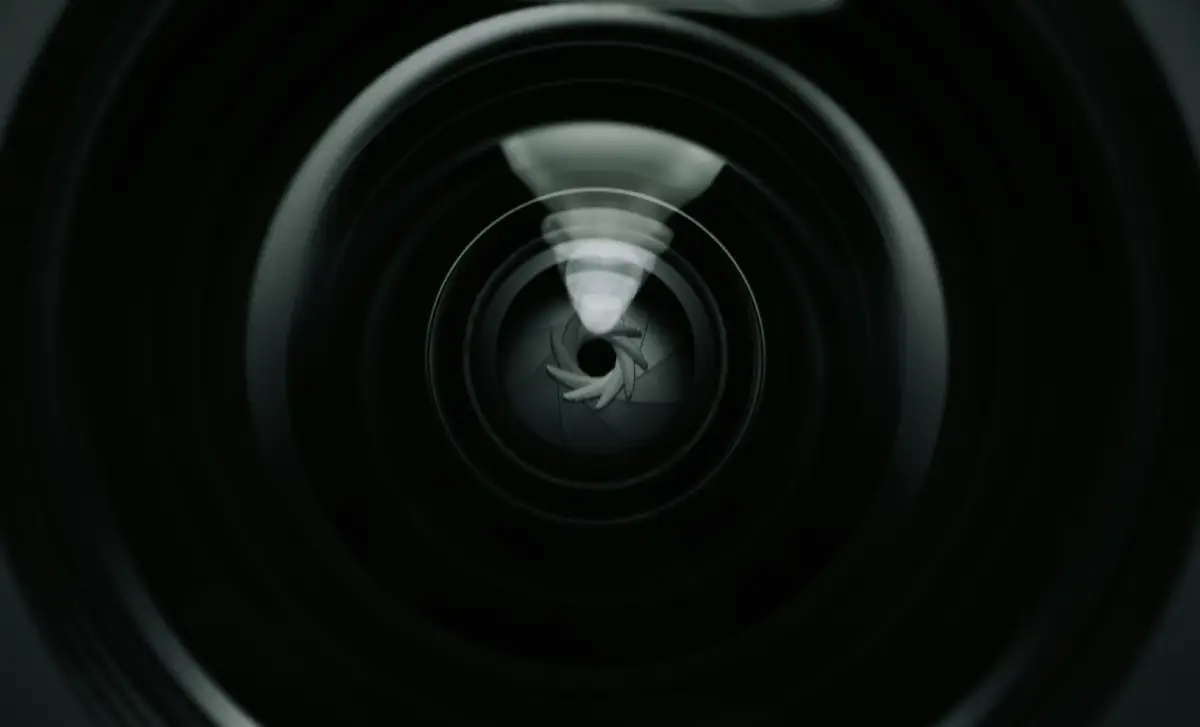 This image is used solely for illustrative purposes. We do not intend to offend or conflict with any societal, cultural, religious, or political values. Image Source: Unsplash+
Optical zoom refers to a camera’s ability to zoom in on an object using its lens without reducing picture quality. A telephoto lens, on the other hand, is a type of lens that has a long focal length, making faraway things look closer. Many people confuse optical zoom with telephoto lenses, thinking they are the same, but they are different.
- Both lenses can zoom in, but telephoto lenses give you sharper, clearer pics.
- Some cameras have an optical zoom. However, to zoom further, you need to use a telephoto lens as an additional lens.
- Optical zoom changes the focal length, while a telephoto lens has a long, fixed focal length.
- Optical zoom can capture both close-up and wide-angle shots, but telephoto lenses are mostly suited for close-up shots of distant points.
Types of Telephoto Lenses
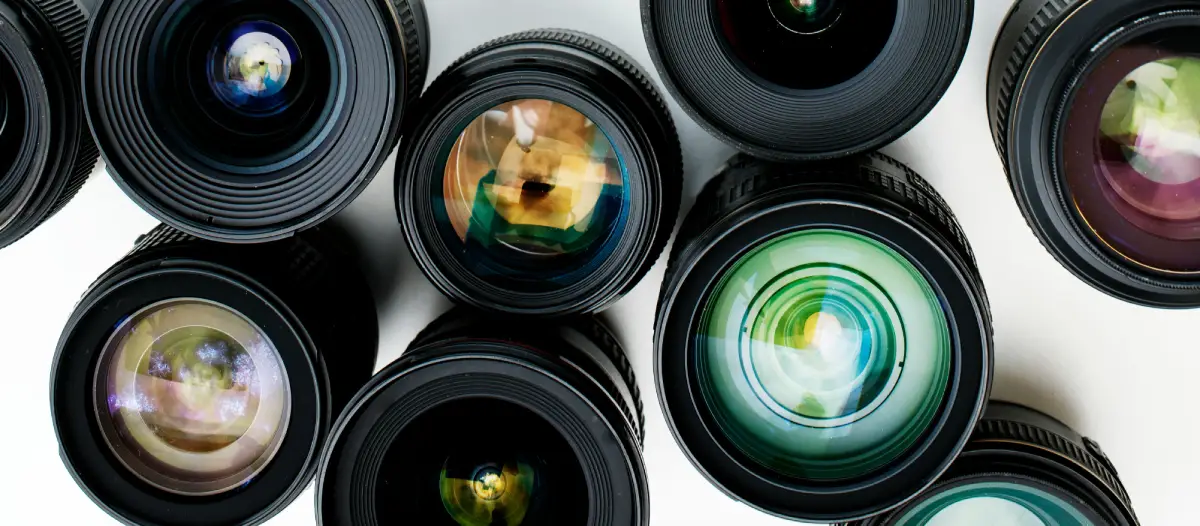 This image is used solely for illustrative purposes. We do not intend to offend or conflict with any societal, cultural, religious, or political values. Image Source: Unsplash+
Telephoto lenses help photographers take clear pictures of distant subjects. They show details that the naked eye might miss. These lenses are great for wildlife, sports, and architectural photography, and they open up new creative options. Different telephoto lenses are on the market, and each offers special benefits for different types of photography.
- Short Telephoto Lenses: Short telephoto lenses range from 85mm to 135mm, ideal for portrait photography. They isolate the subject from the backdrop.
- Medium Telephoto Lenses: These lenses have a focal length range from 135mm to 300mm, making them suitable for various photography styles. They are a good mix of size and shooting distance.
- Prime Telephoto Lenses: Prime telephoto lenses are known for taking high-quality photos. They have wide openings and compact designs. These lenses come in fixed focal lengths of 85mm, 100mm, or 200mm.
- Super Telephoto Lenses: Super telephoto lenses have a focal length of 300mm or more, which is perfect for capturing subjects like birds or wild animals from a distance. They are also ideal for sports photography while clicking action moves.
- Macro Telephoto Lenses: Macro Telephoto lenses are specialized for capturing close-up views of tiny subjects like insects or buds. These lenses are perfect for capturing tiny creatures elaborately.
- Specialty Telephoto Lenses: Specialty Telephoto Lenses are developed for specific goals like astrophotography or architectural photography, where capturing detail from a distance is essential.
How To Choose the Right Telephoto Lens
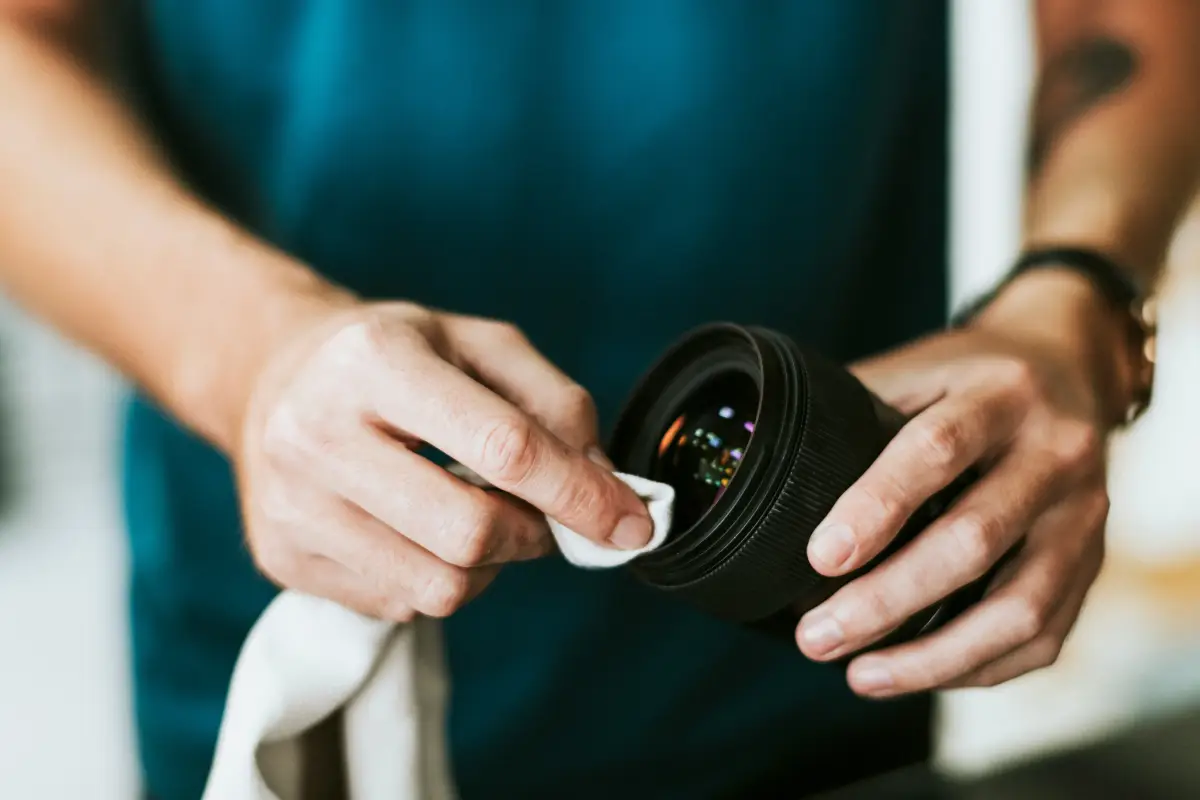 This image is used solely for illustrative purposes. We do not intend to offend or conflict with any societal, cultural, religious, or political values. Image Source: Unsplash+
To achieve outstanding results applying telephoto lens photography techniques, you need to select the right telephoto lens. Different factors need to be considered when choosing a telephoto lens. Here are those:
- Photography Purpose: Before selecting the telephoto lens, consider your photography subject and the purpose of your photography. You can choose a longer focal lens for wildlife or sports photography or a short telephoto lens for portraits.
- Focal Length: Consider the required focal length when choosing a telephoto lens. If you photograph sports or wild animals, you need a longer focal length, whereas you can use a shorter telephoto lens to capture nearby things. To capture the insect elaborately, you can use the macro lens.
- Image Stabilization: When choosing a telephoto lens, consider the image stabilization factor for a longer focal length. You should look for built-in image stabilization lenses that prevent camera shake and generate sharper images.
- Compatibility: During the Telephoto Lens selection, check the lens’s compatibility with your camera body. Check the mount type. Also, check if the lens supports the camera’s sensor size.
- Budget: Professional-grade telephoto lenses are usually expensive, but budget-friendly options are available on the market. So, while choosing a telephoto lens, explore the market price of the telephoto lens to find a suitable one that fits your budget.
- Read Review: Before choosing a lens for your telephotography, explore different brands and read their customers’ reviews. Customer reviews will help you understand which one will be worth buying.
Techniques for Telephoto Lens Photography
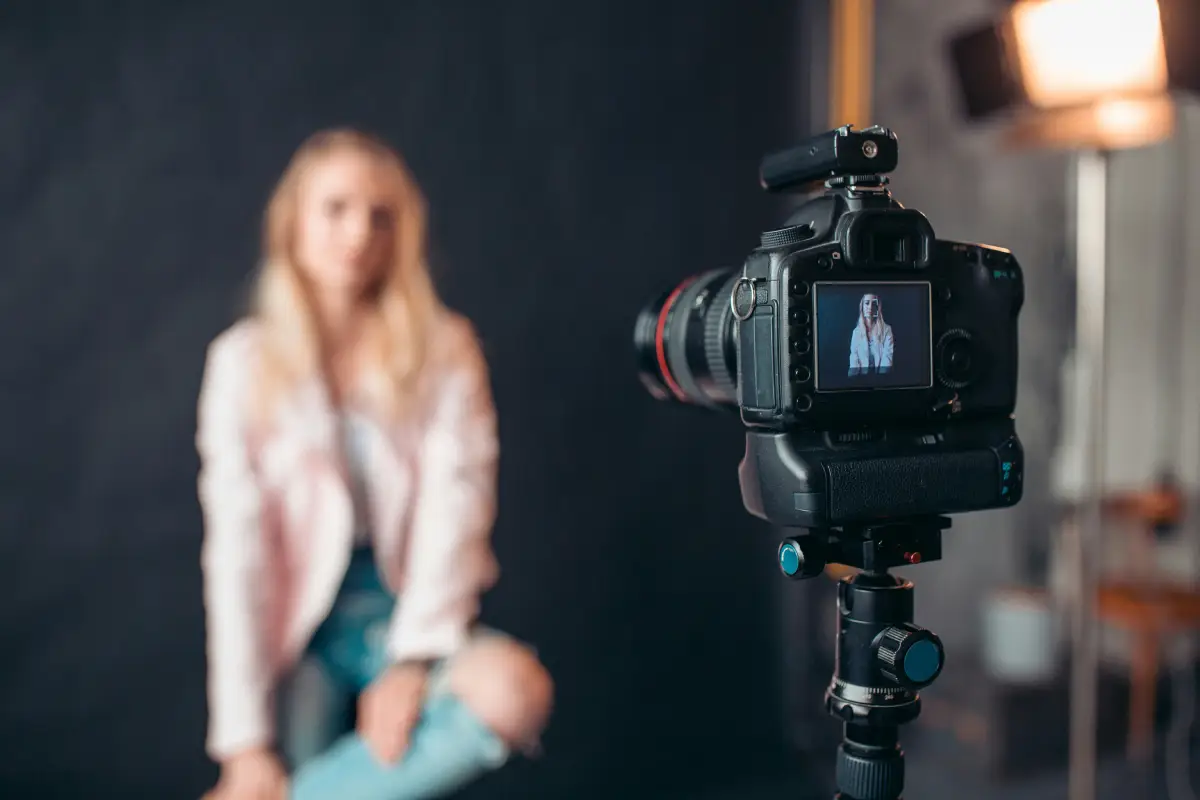 This image is used solely for illustrative purposes. We do not intend to offend or conflict with any societal, cultural, religious, or political values. Image Source: Unsplash+
The telephoto lens captures compelling shots from a distance. How do you take pictures with a telephoto lens? You need to master both technical and creative skills. Here, we will discuss some techniques for Telephoto Lens Photography.
Understand the Lens: Before clicking, ensure you know about the lens and how to use it to capture a picture. Telephoto lenses are perfect for capturing a subject in detail from a distance. Photographers commonly use them for wildlife or sports photography.
Use a Tripod: Because of its length or weight, a photographer struggles to carry and use a Telephoto lens, which often results in shaking images. Using a Tripod will be beneficial in this case, preventing the usual shakes.
Camera Settings: You should learn camera settings to capture the best photos using a Telephoto lens. A fast shutter speed can freeze the moment, whereas a slower speed generates a sense of movement.
Composition: Composition is the photo element arrangement process that fills the frame with the subject. Using a Telephoto lens in photography, the photographer can create a stunning composition with a dramatic close-up view of the subject.
Hand-Holding Method: Keep your elbows tucked in, use your body as a brace, and hold your breath briefly while taking the shot to reduce movement.
Panning: What is the creative use of a telephoto lens? You can use the telephoto lens creatively by employing the panning method. The process of moving the camera along with the moving subject shows speed and motion simultaneously, making the subject sharp in a blurred background. hold your breath to minimize movement as you take the shot.
Consider Background: One of the Most Common Photography Mistakes novice photographers make is not thinking about the background. However, the crucial fact is that the background can make or break the attention. So, while doing the Telephoto Lens Photography, check the background to see if it aligns with the subject.
Utilize Lighting: Compared to a regular lens, the telephoto lens needs more light because of more diminutive apertures. Therefore, ensure external lighting with ISO adjustment while executing Telephoto Lens Photography.
Try Different Perspectives: While using a telephoto lens for photography, try to capture the subject from different perspectives. Try different angles and spans to create a thrilling composition.
Helpful Blog: How to Shoot Dutch Angle Photography
Apply Composition Techniques: Photo Composition is important for any photography, including Telephoto Lens Photography. The rule of thirds, leading line, and negative space are some techniques used in photo composition.
Telephoto Photography Ideas
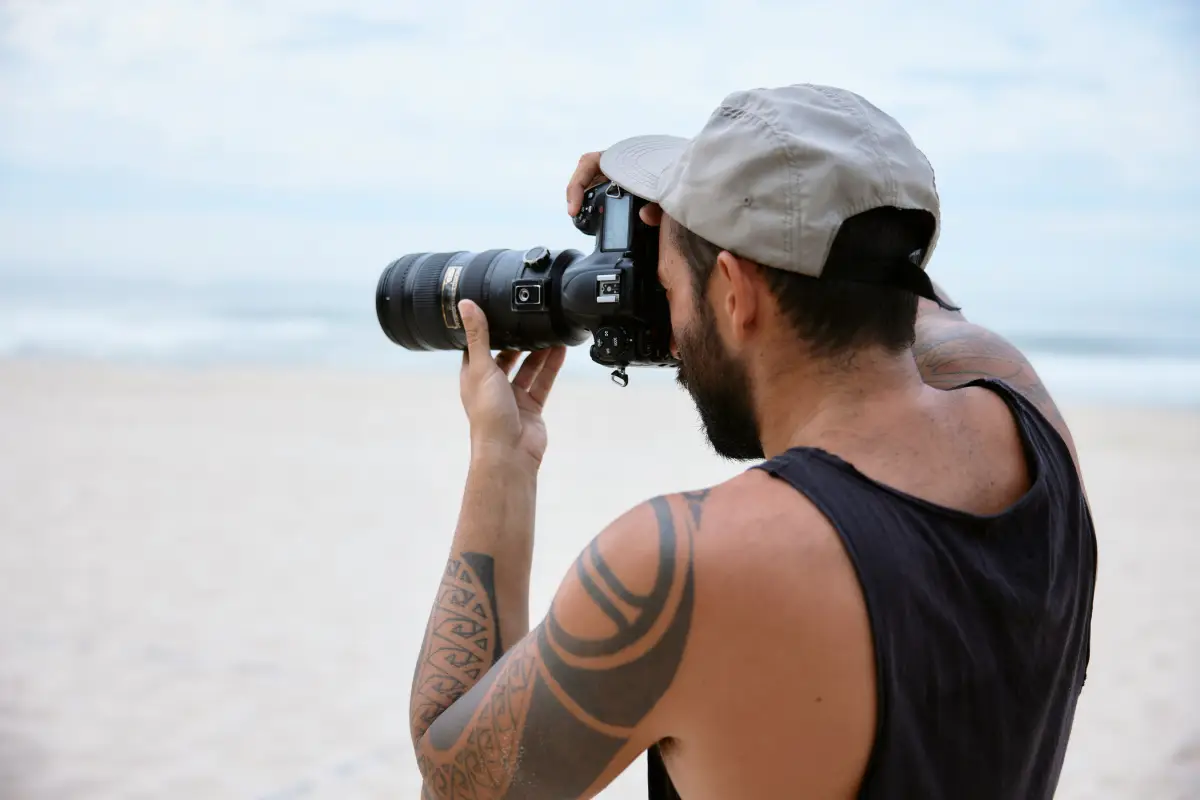 This image is used solely for illustrative purposes. We do not intend to offend or conflict with any societal, cultural, religious, or political values. Image Source: Unsplash+
Telephoto Lens Photography comes in different categories based on the application. Here are some creative examples of Telephoto Lens Photography:
- Wildlife Photography: If you want to capture nature’s beauty, you can capture the wildlife. Using a telephoto lens, you can capture their close-up shots from a distance without bothering them. Try to capture moments of grazing, resting, or any other interactions.
- Sports Photography: Using a telephoto lens, sports photographers can capture the thrill of the game. This lens helps capture the movement detail with clarity from faraway spaces that fetch the spectators directly into the moment’s impulse.
- Portrait Photography: Telephoto lenses can be creatively used for portrait photography to capture emotion or expression details. The lens focused on the subject while blurring the background or creating a bokeh.
- Astrophotography: A telephoto lens helps you get a closer view of the moon, stars, and planets for astrophotography. This lens allows you to capture detailed images of the moon’s surface or stars in the night sky.
- Macro Photography: Using a telephoto lens for macro photography can create great pictures that highlight the fine details of small subjects like flowers, insects, snowflakes, raindrops, or any tiny object.
- Landscape Photography: Using a telephoto lens in photography can transform natural scenes into abstract art. For example, you can create abstract images by focusing on a lonely tree on a hill or the detailed patterns of dunes. This technique in landscape photography highlights unique subjects effectively.
Finale
Telephoto lens photography presents unlimited options for showcasing creative expression by capturing subjects’ exceptional detail from a distance. Applying photo composition techniques, capturing from different angles, and implementing photo post-processing to enhance the photos can make the final output captivating. Cut Out Image can help you provide a professional Photo Retouching Service that will save you time and money, ensuring a professional result at an economical cost.
We hope you found the blog helpful and understood the fundamentals of telephoto lenses. So, grab your telephoto lens, venture into the world to unlock the full potential of telephoto lens photography with the inspirational ideas we shared, and take your images to new heights.
Did you like the blog? Check out our other blogs that interest you.
- How to edit multiple photos at once
- Why Perfect Product Images Matter More on Valentine’s Day
- Rain Photography Ideas
- AI or Human Editors?